
For many people on a weight loss journey, hitting the gym regularly and pushing through challenging
workouts are seen as the key to shedding unwanted pounds. While exercise is undoubtedly an essential
part of a healthy lifestyle, it’s only one piece of the puzzle. One common mistake people make is
believing that they can “out-exercise” a poor diet. The harsh reality is that no matter how intense or
frequent your workouts are, consistently making unhealthy food choices can completely negate the
progress you achieve through exercise.
In this article, we’ll explore why your diet plays such a critical role in weight loss and how poor eating
habits can undo all the hard work you put in at the gym.
The Science Behind Weight Loss: Calories In vs. Calories Out
At its core, weight loss is governed by the principle of energy balance: to lose weight, you must burn
more calories than you consume. This is known as a calorie deficit. Exercise helps create this deficit by
increasing the number of calories you burn throughout the day. However, no matter how much you
exercise, if you’re consuming more calories than your body needs, you’ll either maintain your current
weight or even gain weight.
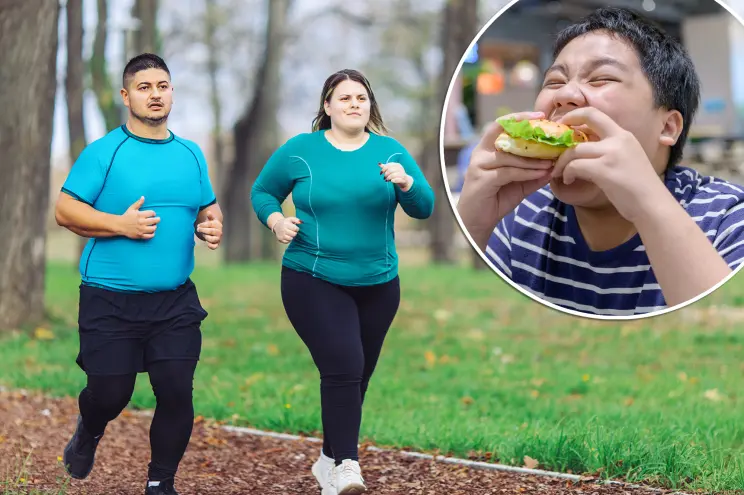
Here’s a common scenario: After an intense workout that burns around 500 calories, you might feel like
you’ve earned a treat. However, indulging in a high-calorie meal, snack, or sugary beverage can easily
add back those 500 calories (and often more) in a matter of minutes. The result? You break even or
possibly end up with a calorie surplus, effectively undoing the calorie-burning benefits of your exercise.
Why You Can’t Out-Exercise a Poor Diet
1. Exercise Doesn’t Burn as Many Calories as You Think
While exercise is important for overall health, it’s easy to overestimate how many calories
you’re burning. For example, a 30-minute run might burn 300 calories, but a fast-food meal can
quickly exceed 1,000 calories. The math just doesn’t add up. If you’re regularly consuming more
calories than you burn, weight loss becomes nearly impossible.
2. The Quality of Calories Matters
Even if you’re within your calorie target, the types of foods you eat play a significant role in
weight loss. Processed foods high in sugar, unhealthy fats, and refined carbs are calorie-dense
but nutritionally poor. These foods can lead to overeating, cause energy crashes, and make it
harder to stick to a healthy diet. On the other hand, whole foods like lean proteins, fruits,
vegetables, and whole grains provide essential nutrients, keep you full longer, and support your
body’s recovery from exercise.
3. Poor Nutrition Sabotages Your Energy Levels and Performance
Exercise requires energy, and that energy comes from the food you eat. If your diet is filled with
junk food, sugary snacks, and empty calories, you’re more likely to experience energy crashes,
fatigue, and poor workout performance. This not only makes it harder to stay consistent with
your exercise routine but also prevents you from getting the most out of each workout session.
4. Overeating as a Reward for Exercise
Many people fall into the trap of “rewarding” themselves for exercising by indulging in high-
calorie foods. While treating yourself occasionally is perfectly fine, making it a regular habit can
quickly stall your progress. Emotional or reward-based eating often leads to consuming far more
calories than you intended, neutralizing any calorie deficit created by your exercise.
5. Exercise Increases Appetite
For most people, intense exercise can lead to an increase in hunger, making it more tempting to
overeat afterward. This is especially true if you’re not fueling your body with balanced meals
that include protein, fiber, and healthy fats. If your post-workout meals consist of high-calorie,
low-nutrient foods, you can easily consume more calories than you burned, making weight loss
elusive.
Finding the Right Balance Between Diet and Exercise
Weight loss is most effective when you strike a balance between a healthy diet and regular exercise.
Here are some tips to help you maximize your efforts:
1. Focus on Nutrient-Dense Foods
Prioritize whole, minimally processed foods that are rich in nutrients and lower in calories.
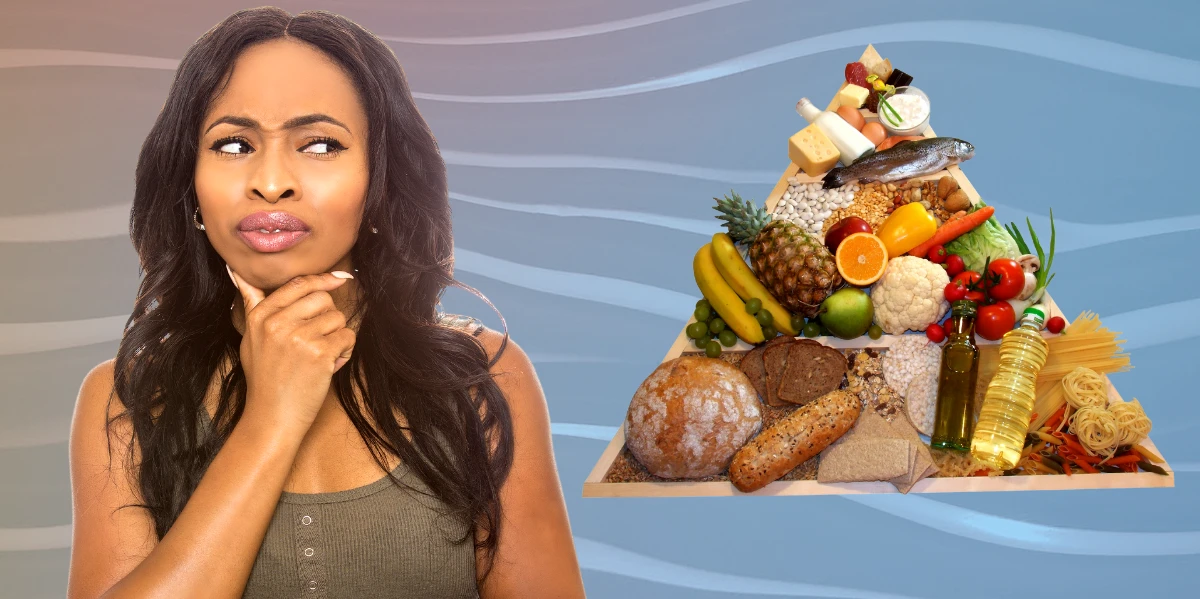
Filling your plate with lean proteins, vegetables, fruits, whole grains, and healthy fats will
provide the energy your body needs while keeping you within your calorie goals.
2. Practice Portion Control
Even healthy foods can lead to weight gain if consumed in excess. Pay attention to portion sizes
and be mindful of how much you’re eating, especially when it comes to calorie-dense foods like
nuts, seeds, and oils.
3. Plan Your Meals and Snacks
Planning your meals ahead of time can prevent impulsive food choices and help you stay on
track with your nutrition. Preparing balanced meals with the right mix of protein, carbs, and fats
will keep you satisfied and less likely to overeat.
4. Don’t Use Exercise as a Free Pass to Eat Whatever You Want
While exercise does burn calories, it shouldn’t be viewed as a way to justify poor eating habits.
The goal is to create a calorie deficit while still nourishing your body with foods that support
your health and fitness goals.
5. Listen to Your Body
Pay attention to your hunger and fullness cues. Eating mindfully and recognizing when you’re
truly hungry versus when you’re eating out of habit or boredom can make a big difference in
controlling calorie intake.
Want my honest opinion? Exercise choices matter too. Focus on EPOC.
Excess Post-Exercise Oxygen Consumption (EPOC), also known as the “afterburn effect,” refers to the
increased rate of oxygen intake following intense physical activity. When you engage in high-intensity
workouts, your body requires more energy to restore itself to its pre-exercise state, resulting in more
calories burned even after the workout ends. This extended calorie burn can last for several hours post-
exercise. Incorporating exercises that maximize EPOC—like high-intensity interval training (HIIT),
weightlifting, or sprinting—can significantly boost metabolism and enhance fat loss, helping you achieve
your weight loss goals more efficiently.
While moderate cardio, such as walking or jogging, burn calories while you are doing them, exercise
geared for EPOC continue the burn for much longer and will have a much greater effect on your weight
loss goals. For me, its all about lifting weights. I like to lift heavy and I feel that burn over the next few
hours. Following my workout session with a high protein shake or meal helps me feel satisfied and
prevents me from pigging out on donuts or fast food.
EPOC inducing exercise choices, combined with the proper calorie intake will have the most effect on
helping you achieve your weight loss goals.
Conclusion: Why Diet and Exercise Must Work Together
The relationship between diet and exercise is crucial for weight loss success. While exercise is beneficial
for burning calories, building muscle, and improving overall health, it cannot compensate for
consistently poor food choices. Eating a balanced, nutrient-rich diet ensures that the hard work you put
into exercise translates into meaningful results.
In the end, weight loss is about making healthy choices consistently. By combining a well-balanced diet
with regular physical activity, you can achieve and maintain your weight loss goals while also improving
your overall well-being. Remember, you can’t out-exercise a bad diet—what you eat matters just as
much, if not more, than how much you move.
Dr. Jordan Glenn